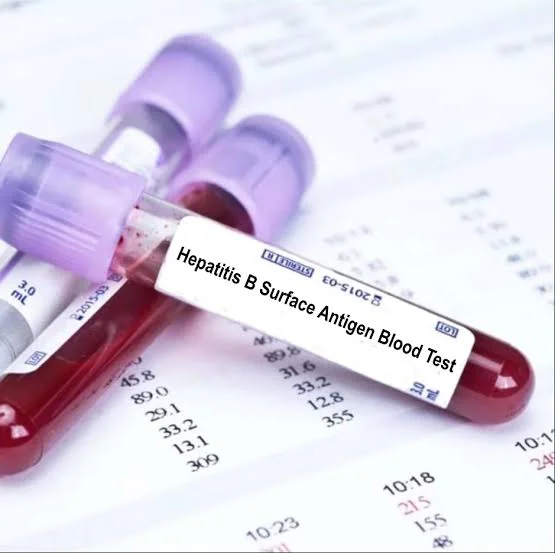
HBsAg stands for Hepatitis B Surface Antigen. It is one of the blood tests used in hepatitis B screening and assessment. A single result may need to be interpreted with other hepatitis B markers, history and clinical context.
HBsAg detects hepatitis B surface antigen in blood. A reactive result can indicate current hepatitis B infection, but interpretation should not rely on HBsAg alone. CDC recommends using a hepatitis B serologic panel that also considers total anti-HBc and anti-HBs because the combination helps distinguish acute infection, chronic infection, past infection, vaccination and susceptibility.
A recently vaccinated person can occasionally have transient HBsAg positivity, and reactive screening results may require confirmation according to the assay and laboratory process. Clinical follow-up may include additional hepatitis B markers and HBV DNA depending on the situation.
Hepatitis B testing is strongest when the appropriate markers are ordered together. CDC commonly describes a three-test screening panel using HBsAg, total anti-HBc and anti-HBs because the combination can distinguish susceptibility, vaccination-related immunity, previous infection and current infection more effectively than HBsAg alone. If HBsAg is reactive, follow-up depends on the full serology pattern, symptoms, liver tests and sometimes HBV DNA. People concerned about a recent exposure should discuss timing because testing too early can miss an infection that has not yet produced detectable markers.