

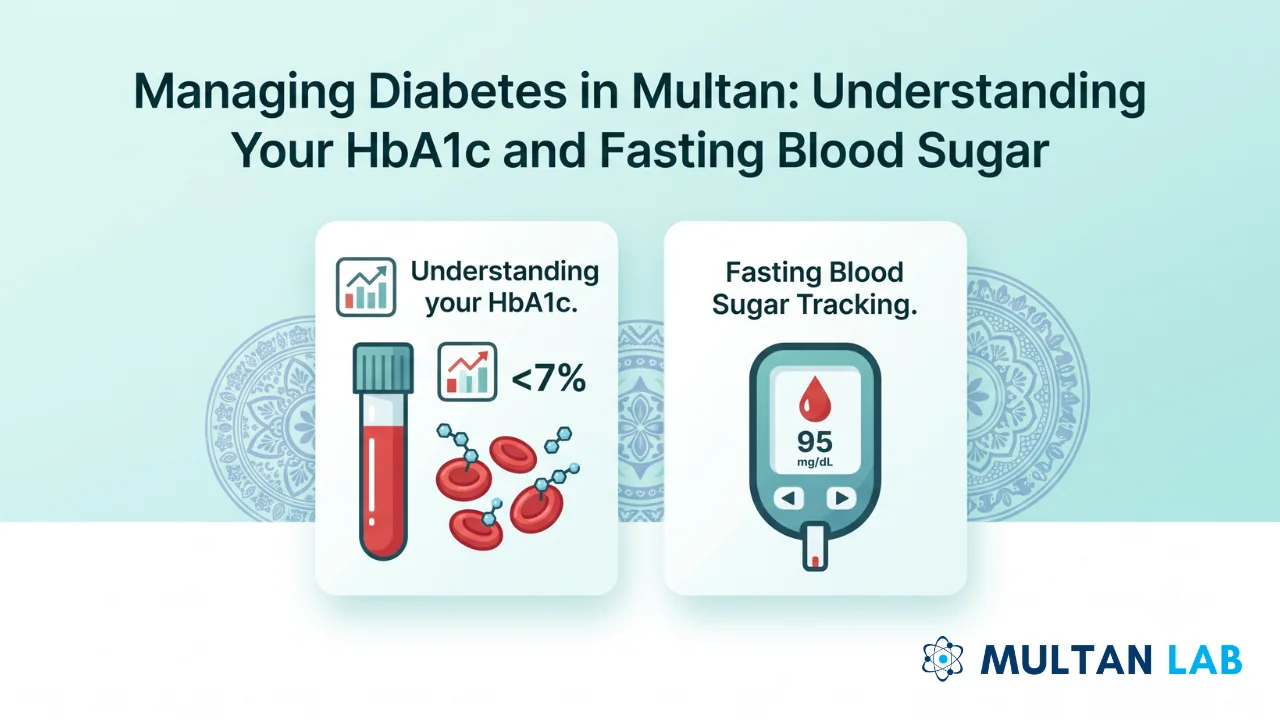
Managing Diabetes in Multan: Understanding Your HbA1c and Fasting Blood Sugar
Pakistan is currently facing a massive public health challenge, ranking third globally for the highest prevalence of diabetes. With over 34.5 million adults affected nationwide, the burden of this chronic condition is heavily felt across South Punjab. In bustling urban centers like Multan, rapid shifts toward sedentary lifestyles, coupled with deeply ingrained dietary habits rich in simple carbohydrates, have made proactive diabetes management an absolute necessity.
Whether you have recently been diagnosed with Type 2 diabetes, have been managing the condition for years, or are simply taking preventive measures to safeguard your health, understanding your lab results is the critical first step. Diagnostic testing removes the guesswork from healthcare. Instead of relying on how you “feel”—which can be highly deceptive when it comes to blood sugar—regular testing provides objective, actionable data.
At Multan Lab, we are committed to providing our community with precision diagnostics. This comprehensive guide will break down the two most important diagnostic pillars of diabetes management: the Fasting Blood Sugar (FBS) test and the HbA1c test. We will explore the medical science behind these tests, what your numbers actually mean, and how living in Multan directly impacts your blood sugar control.
The Growing Need for Diabetes Awareness in South Punjab
Diabetes mellitus is a metabolic disorder characterized by chronic hyperglycemia (high blood sugar levels). It occurs when the pancreas either cannot produce enough insulin—the hormone responsible for allowing glucose to enter your cells for energy—or when the body’s cells become resistant to the insulin that is produced. Over time, elevated glucose levels act like microscopic shards of glass in the bloodstream, damaging blood vessels, nerves, and major organs. Uncontrolled diabetes is the leading cause of chronic kidney disease, adult-onset blindness, and non-traumatic lower-limb amputations.
In South Punjab, the rising prevalence of Type 2 diabetes is largely driven by environmental and lifestyle factors. The traditional local diet is heavily reliant on refined carbohydrates, including daily servings of wheat-based roti, white rice, and deep-fried snacks. Furthermore, Multan’s famous culinary exports, such as Sohan Halwa, and the globally celebrated summer mango season, introduce concentrated seasonal sugar spikes that can destabilize a patient’s glycemic control.
To manage these risks, physicians rely on two primary blood tests to assess your health: one that takes a quick snapshot of your current state, and another that provides a long-term panoramic view.
What is Fasting Blood Sugar (FBS)?
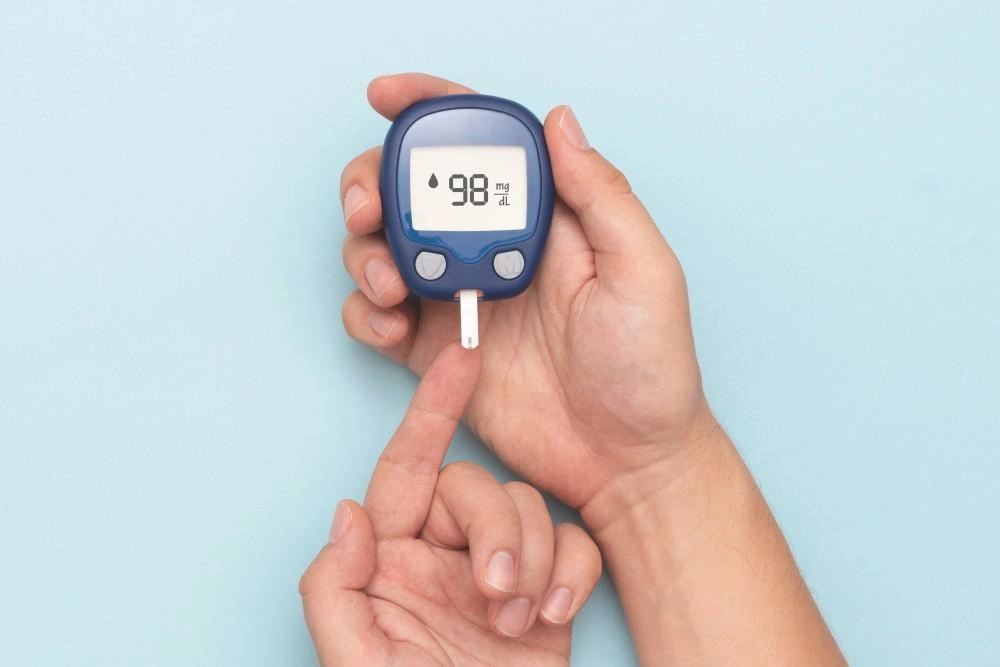
The Fasting Blood Sugar test, also known as Fasting Plasma Glucose (FPG), measures the exact amount of glucose circulating in your bloodstream at a specific moment in time. Because food intake immediately raises your blood sugar levels, this test requires you to abstain from consuming any food or beverages (other than water) for a strict period—usually 8 to 12 hours—before your blood is drawn.
The Medical Science Behind the Fasting Test
When you sleep and fast overnight, your body continues to need a steady supply of energy to keep your brain, heart, and lungs functioning. To provide this energy, your liver releases stored glucose (glycogen) into the bloodstream. In a healthy individual, the pancreas secretes just enough baseline insulin to keep this fasting glucose level tightly regulated. However, in an individual with insulin resistance or failing pancreatic beta cells, the liver dumps glucose into the blood, but the cells cannot absorb it. As a result, the morning fasting blood sugar reading becomes abnormally high.
Understanding Your Fasting Blood Sugar Results
According to the clinical practice guidelines followed by the Pakistan Endocrine Society and the American Diabetes Association (ADA), Fasting Blood Sugar results are categorized as follows:
| Diagnostic Category | Fasting Blood Sugar Range (mg/dL) | What It Means for Your Health |
| Normal | 70 to 99 mg/dL | Your body is efficiently producing and utilizing insulin. |
| Pre-diabetes | 100 to 125 mg/dL | You have Impaired Fasting Glucose (IFG). Immediate lifestyle changes are required to prevent full Type 2 diabetes. |
| Diabetes | 126 mg/dL or higher | A confirmed diagnosis of diabetes (usually requires two separate tests on different days to verify). |
How to Prepare for an FBS Test at Multan Lab
To ensure the highest accuracy for your Fasting Blood Sugar test in Multan, schedule your sample collection for early morning. Do not eat breakfast or drink morning tea (even without sugar, milk triggers an insulin response). You may drink plain water to stay hydrated, which also makes finding a vein easier for our phlebotomists.
What is the HbA1c Test?
While the Fasting Blood Sugar test tells you what your blood sugar is at a single moment, it can be easily influenced by poor sleep, acute stress, or what you ate for dinner the night before. This is where the HbA1c test becomes invaluable.
HbA1c stands for Glycated Hemoglobin. This test is universally considered the “gold standard” for long-term diabetes management because it measures your average blood sugar levels over the preceding two to three months.
The Medical Science of Glycation
Hemoglobin is the protein molecule in your red blood cells that carries oxygen throughout your body. As glucose circulates in your bloodstream, some of it naturally sticks, or “glycates,” to these hemoglobin proteins. The more glucose there is in your blood, the more it coats the hemoglobin.
Because the average lifespan of a red blood cell is about 90 to 120 days, measuring the percentage of hemoglobin that has glucose attached to it provides a highly accurate historical record of your blood sugar control over that entire lifespan. You cannot “cheat” an HbA1c test by fasting strictly for a few days before the lab visit; it reveals the undeniable truth of your dietary and lifestyle habits over the whole quarter.
Understanding Your HbA1c Results
Unlike fasting sugar, which is measured in milligrams per deciliter (mg/dL), HbA1c is reported as a percentage. The standard diagnostic thresholds are:
| Diagnostic Category | HbA1c Percentage | Clinical Significance |
| Normal | Below 5.7% | Excellent long-term glucose control; low risk of developing diabetes. |
| Pre-diabetes | 5.7% to 6.4% | High risk. This is the critical window for intervention with diet, weight loss, and exercise. |
| Diabetes | 6.5% or higher | Diagnostic of diabetes. For established diabetics, the general treatment goal is to keep this number below 7.0% to prevent microvascular complications. |
FBS vs. HbA1c: Why Your Doctor Orders Both
Patients often ask, “If HbA1c is the gold standard, why do I still need to prick my finger or do a fasting test?”
The answer lies in the limitations of each test. HbA1c provides the big picture, but it doesn’t show daily fluctuations. A patient could have dangerous blood sugar spikes after meals (hyperglycemia) followed by severe drops (hypoglycemia), and their average HbA1c might still look artificially “normal.” Fasting and post-meal tests help your doctor adjust your daily medication or insulin doses, while the HbA1c test tells them if the overall treatment plan is actually working over the long term. At Multan Lab, we process both tests using state-of-the-art analyzers to give your healthcare provider a complete metabolic profile.
How the Multan Lifestyle Impacts Your Blood Sugar
Living in South Punjab presents unique cultural, environmental, and dietary variables that can dramatically impact your glucose management. Understanding these local factors is crucial for keeping your HbA1c in a healthy range.
The Impact of the Local Diet
The traditional Punjabi diet is carbohydrate-dense. A typical day may involve parathas for breakfast, multiple whole-wheat rotis at lunch, and rice at dinner. Carbohydrates are not inherently bad, but refined carbohydrates and large portion sizes cause rapid spikes in blood sugar. To optimize your lab results, focus on portion control. Replace white rice with complex carbohydrates, integrate lean proteins like chicken or lentils (daal), and add high-fiber local vegetables such as okra (bhindi), bitter gourd (karela), and spinach (palak), which help slow the absorption of glucose into the bloodstream.
Navigating the Multan Mango Season
Multan is globally renowned as the City of Mangoes. Varieties like Chaunsa, Sindhri, and Anwar Ratol are cultural staples during the summer. For a diabetic patient, mango season can be a source of immense anxiety and drastically elevated HbA1c levels.
Mangoes have a moderate glycemic index, meaning they do raise blood sugar, but they also contain beneficial fiber. If you are diabetic, you do not have to completely eliminate mangoes, but you must practice strict portion control. Limit yourself to half a small mango per day, consume it alongside a source of protein or healthy fat (like a handful of almonds) to blunt the sugar spike, and never consume mango in the form of juice or milkshakes, as the pulverization destroys the fiber and creates a rapid liquid sugar rush.
Extreme Summer Heat and Dehydration
Multan’s extreme summer temperatures, often exceeding 45°C (113°F), pose a direct threat to blood sugar management. Severe heat can cause dehydration, which leads to a higher concentration of glucose in the blood. Furthermore, extreme heat can degrade insulin and oral diabetic medications if they are not stored properly. Ensure you are drinking 8 to 10 glasses of water daily during the peak summer months to help your kidneys naturally flush excess glucose through your urine.
Why Choose Multan Lab for Your Diabetes Diagnostics?
When managing a chronic illness like diabetes, the accuracy and reliability of your lab results dictate your medication dosages and lifestyle adjustments. Inaccurate results can lead to dangerous medical decisions.
Multan Lab stands as a premier diagnostic facility in South Punjab, engineered to provide you with peace of mind. Here is why patients trust us for their routine diabetes panels:
- Stringent Quality Control: Our automated analyzers are calibrated daily to ensure that your HbA1c and Fasting Blood Sugar numbers are precise, repeatable, and aligned with international standards.
- Rapid Reporting: We understand that waiting for medical results causes anxiety. Our streamlined processes ensure you receive your reports swiftly, often available digitally so you can share them instantly with your endocrinologist.
- Comfort and Convenience: Fasting tests require early morning visits, which can be difficult for the elderly or those with busy schedules. Our dedicated phlebotomists offer gentle sample collection in a highly sterile environment, prioritizing patient comfort.
- Comprehensive Diabetic Profiles: Beyond HbA1c and FBS, we offer complete diabetic screening panels, including Lipid Profiles (to monitor heart health) and Renal Function Tests/Microalbuminuria screens (to ensure diabetes is not damaging your kidneys).
Frequently Asked Questions (FAQs) About Diabetes Testing in Multan
1. How often should I get my HbA1c tested in Multan?
If your blood sugar is well-controlled and your medication is stable, endocrinologists generally recommend an HbA1c test every 6 months. If you are newly diagnosed, your treatment plan has recently changed, or your blood sugar is uncontrolled, you should have the test done every 3 months.
2. Can I drink water before my Fasting Blood Sugar test?
Yes. Drinking plain water is perfectly fine and highly encouraged. However, you must strictly avoid tea, coffee, milk, juices, or any flavored beverages for 8 to 12 hours before your blood is drawn at Multan Lab.
3. Why is my fasting sugar high in the morning even if I didn’t eat anything the night before?
This is a very common phenomenon known as the “Dawn Phenomenon.” In the early morning hours, your body naturally releases hormones like cortisol and growth hormone to wake you up. These hormones trigger the liver to release stored glucose. If you are diabetic, your body does not produce enough insulin to handle this morning glucose dump, resulting in a high fasting reading.
4. I have an HbA1c of 6.2%. Does this mean I need to start taking insulin?
An HbA1c of 6.2% falls into the “Pre-diabetes” category. At this stage, it is highly unlikely you would need insulin. This is a critical warning sign that you need to implement immediate lifestyle interventions—such as adopting a low-glycemic diet, losing 5-10% of your body weight, and exercising daily—to reverse the trajectory before it becomes full-blown Type 2 diabetes. Always consult your primary care physician to interpret your specific results.
5. How much does an HbA1c test cost at Multan Lab?
We believe that essential health monitoring should be accessible to everyone in South Punjab. Multan Lab offers highly competitive and transparent pricing for all diabetes diagnostics. Please visit our website or contact our front desk for the most up-to-date pricing on single tests and comprehensive diabetic screening packages.
6. Does fasting for too long (over 14 hours) make the test more accurate?
No. Fasting for longer than 12-14 hours can actually cause your blood sugar to drop too low, which forces your liver to release emergency glucose stores to compensate. This will give you a falsely elevated reading. Stick to the recommended 8 to 12-hour fasting window for the most accurate results.
Take Control of Your Health Today
Diabetes is a relentless condition, but it is entirely manageable with the right data and a proactive approach. Understanding the difference between your Fasting Blood Sugar and your HbA1c is the foundation of patient empowerment. By keeping track of your numbers, managing your diet in the context of Multan’s rich culinary landscape, and partnering with a trusted healthcare provider, you can live a long, healthy, and complication-free life.
Do not wait for symptoms like excessive thirst, frequent urination, or blurred vision to appear. By the time symptoms show, your blood sugar has often been elevated for years. Take control of your metabolic health today. Book your Fasting Blood Sugar and HbA1c tests with Multan Lab—your trusted partner in diagnostics and preventive healthcare in South Punjab.