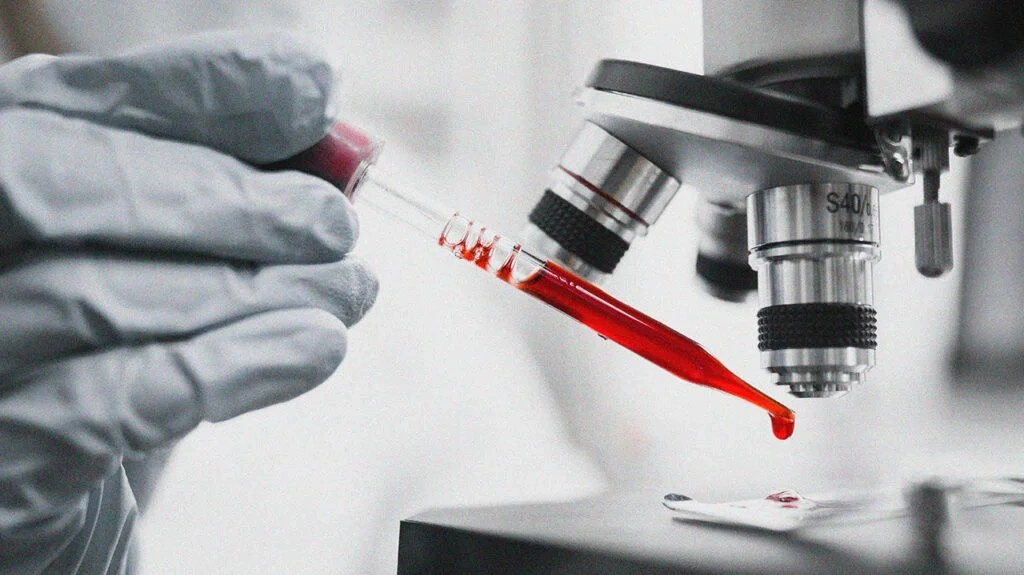
Histopathology is the microscopic examination of tissue removed during a biopsy or surgical procedure. Unlike a routine blood test, the specimen is tissue that must be labelled, preserved, transported and processed correctly before a pathologist can examine prepared sections under a microscope.
The type of specimen and the clinical question determine how the laboratory handles it. Some cases may require special stains, immunohistochemistry or additional review. These extra steps can affect turnaround time, so histopathology reporting cannot be treated like a routine same-day blood test.
MultanLab can help coordinate eligible specimen handling or laboratory booking where appropriate, but the diagnostic interpretation is performed by the reporting pathology laboratory. Always follow the surgeon, clinician or laboratory’s specimen instructions because incorrect storage or transport can compromise the sample.
Histopathology is the microscopic examination of tissue removed during a biopsy or surgery. Unlike a routine blood test, it does not usually produce a single numeric ‘normal range’. A pathologist examines the architecture and cells of the specimen and issues a descriptive pathology report with a diagnosis or differential interpretation.
The report may include the specimen type and site, gross description, microscopic findings, final diagnosis and comments. Depending on the tissue and question, additional stains, immunohistochemistry or molecular tests may be needed. Accurate clinical details and correct specimen handling are essential because interpretation depends on where the tissue came from and how it was collected.