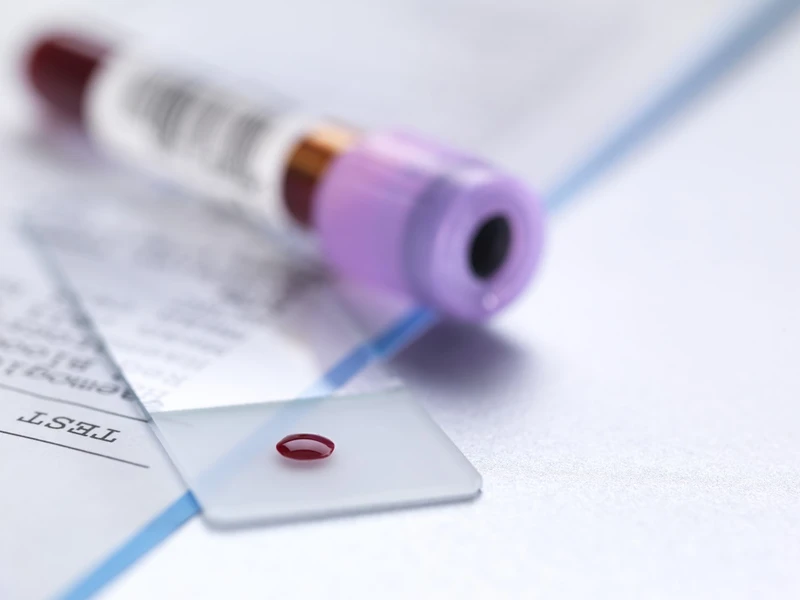
A Fasting Blood Sugar (FBS) test measures glucose in a blood sample collected after the fasting period advised for the test. It may be used as part of diabetes assessment or monitoring. Follow the preparation instructions from your healthcare professional or laboratory.
A fasting plasma glucose test measures blood glucose after a defined fasting period. It is commonly used as one of the laboratory methods for identifying diabetes or prediabetes, and it can also be used alongside HbA1c or an oral glucose tolerance test.
The fasting period matters because food and caloric drinks raise blood glucose. The American Diabetes Association describes fasting as at least eight hours with no food or drink except water. A single abnormal result may need confirmation unless the clinical picture is clear, so the number should be interpreted in context rather than used for self-diagnosis.
Fasting glucose is particularly useful when it is collected under a clearly defined fast. Water is usually allowed, but calories from food, milk, sugar, juice or sweetened drinks can invalidate the fasting condition. The clinician may also ask about medicines taken that morning. If a fasting value is borderline, HbA1c can provide complementary information because it reflects a longer period, while repeat fasting glucose can show whether the result persists. People with symptoms of very high or very low glucose should seek clinical assessment rather than waiting for routine website interpretation.