Skip to content
Multan home sample collection 9AM–10PM
Simple bookingPartner diagnostic labsDigital reports
Liver & Kidney

Electrolytes Panel

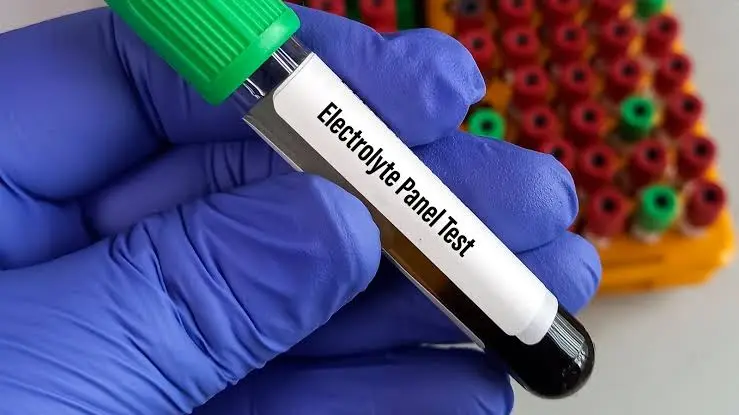
An electrolyte panel measures minerals involved in fluid balance, nerve signalling and muscle function.

Electrolytes Panel
SampleBlood
PreparationPreparation varies; confirm the exact panel and full test order.
Home collectionAvailable for eligible bookings
Report timeConfirmed with the laboratory
About the test

What is Electrolytes?

Important

Reference ranges and preparation can vary between laboratories and test combinations. Use the instructions and reference interval supplied for your own test order.

Electrolytes are charged minerals in the blood. A panel commonly includes sodium and potassium, with chloride and bicarbonate included by many laboratories. The exact profile varies and can be interpreted alongside kidney function, hydration and medicines.

An electrolyte panel measures charged minerals that help regulate fluid balance, nerve activity, muscle contraction and acid-base balance. Common components include sodium, potassium, chloride and bicarbonate/total CO₂. The exact panel may vary, and electrolytes are often included in a basic or comprehensive metabolic panel.

Electrolyte abnormalities can be clinically important, especially potassium changes, but the number needs context. Vomiting, diarrhoea, kidney function, hormones, medicines, IV fluids and sample handling can all change the pattern. A haemolysed blood specimen can falsely raise potassium and may need recollection.

Electrolyte panels are frequently ordered with creatinine and urea because kidney function, hydration and electrolyte balance are closely connected. Potassium deserves special attention to specimen quality: difficult blood collection or delayed processing can damage blood cells and release potassium, producing a falsely high value. Sodium abnormalities often need assessment of fluid status and sometimes glucose or osmolality. Bicarbonate can change with acid-base disorders, vomiting, diarrhoea or kidney problems. Clinicians therefore interpret the panel as a set of related measurements rather than separate isolated numbers.

What it measures

Common markers included

Sodium (Na)Major electrolyte involved in fluid balance.
Potassium (K)Electrolyte important for nerve and muscle function.
ChlorideOften measured with sodium and bicarbonate.
Bicarbonate / CO2Used in assessment of acid-base balance where included.
Why it may be requested

Why might this test be requested?

Electrolytes are commonly requested when assessing hydration, kidney function, blood pressure, vomiting or diarrhoea, or the effects of medicines that can change sodium or potassium balance.

Understanding results

How are the results interpreted?

Electrolyte results are read as a pattern because sodium, potassium, chloride and bicarbonate are linked to fluid balance, kidney function and acid-base status. Sodium changes often reflect the relationship between body water and sodium rather than dietary salt alone. Potassium is particularly sensitive to kidney function, medicines and specimen quality. Bicarbonate can provide clues about acid-base balance.

Marked abnormalities can be clinically important, but even a surprising value may need confirmation when specimen collection problems are possible. Previous results, kidney markers and the person's symptoms help determine the significance.

Typical reference values

Common values and expected results

Use your own lab report first

These are common adult examples for orientation only. The reference interval printed on the patient's own laboratory report takes priority because methods, units, age, sex, pregnancy and clinical context can change the expected range.

MeasurementTypical valueContext
Sodium135–145 mEq/LCommon adult example.
Potassium3.7–5.2 mEq/LCommon adult example.
Chloride98–107 mEq/LCommon adult example; laboratory intervals vary.
Bicarbonate / total CO₂23–29 mEq/LCommon adult example.
Result context

What can affect the result?

Fluid losses and hydration

Vomiting, diarrhoea, sweating and IV fluids can change electrolyte concentrations.

Medicines

Diuretics, ACE inhibitors, ARBs and many other medicines can affect sodium or potassium.

Sample haemolysis

Damage to blood cells during or after collection can falsely elevate potassium.

Important context

What this test cannot tell you on its own

An electrolyte panel does not by itself identify the cause of an abnormal value. Potassium can be falsely elevated when blood cells are damaged during collection (haemolysis), and sodium or bicarbonate can change with fluid status and acute illness. Results that are substantially abnormal or do not fit the clinical picture may need prompt clinical review or repeat sampling.

Specimen & collection

Collection notes

A venous blood sample is used. Fasting is not always required for electrolytes alone. Avoid repeated forceful fist clenching during collection because it can transiently increase potassium, and the laboratory may reject significantly haemolysed specimens.

Home sample collection

Prefer to have the sample collected at home?

For eligible bookings, MultanLab can help arrange sample collection from your home in Multan. The sample is then processed by the selected diagnostic laboratory partner.

Send the test or prescriptionConfirm the complete test order first.
Confirm preparation and timingGet the practical instructions before collection.
Partner laboratory processingDiagnostic testing is performed by the laboratory partner.
Arrange Home Collection
Common questions

Frequently asked questions

Most panels include sodium, potassium, chloride and bicarbonate or total CO₂. Some panels may include additional minerals.

Potassium is essential for nerve and muscle function, including the heart. Markedly abnormal values can require prompt clinical assessment.

If red cells break during collection or handling, potassium can leak into the sample and produce a falsely high result. The laboratory may recommend recollection.

Usually not when ordered alone. Preparation depends on the full panel and laboratory instructions.

Yes. Fluid balance strongly influences electrolytes, although the exact pattern depends on the cause and the body’s response.

Yes for eligible bookings, provided the sample can be transported within the partner laboratory’s handling requirements.

Medical quality

Reviewed information, visible sources.

Ready to arrange Electrolytes?

Send the test name or prescription and confirm preparation, current price and collection availability.

Call WhatsApp