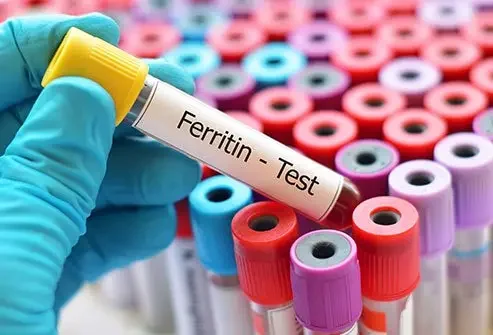
Iron studies can include ferritin, serum iron, transferrin or TIBC, and transferrin saturation. Ferritin reflects stored iron but can also change with inflammation, so results are interpreted with the rest of the profile and clinical context.
Iron studies are a group of measurements used to assess iron availability and iron stores. Depending on the laboratory, the panel may include serum iron, total iron-binding capacity (TIBC) or transferrin, transferrin saturation and ferritin. Ferritin is especially useful as a marker of iron stores, but it can also rise with inflammation, liver disease and other conditions.
The results are therefore interpreted as a pattern. Low ferritin with low transferrin saturation may support iron deficiency, while a normal or high ferritin does not always exclude iron deficiency when inflammation is present. CBC indices and clinical history often add useful context.
Iron studies are often paired with a CBC because they answer complementary questions. The CBC can show anaemia and red-cell size, while ferritin and transferrin-related measurements help assess iron stores and availability. In straightforward iron deficiency, ferritin is often low, but inflammation can raise ferritin and obscure depleted stores. A clinician may therefore consider CRP, transferrin saturation or additional tests when the pattern is unclear. Finding iron deficiency should also lead to consideration of why iron is low rather than focusing only on replacement.